Amber Wilkes is creating new spaces for Newcastle's emerging storytellers
Sharing something you’ve written can be daunting, particularly when you’re still finding your voice. For Amber Wilkes, that feeling sparked the idea for Pocketbook.
What began as a student-run poetry open mic at Good Brother has grown into a creative collective, bringing local writers and visual artists together through a seasonal magazine, workshops, and free literary events.
Amber is now undertaking a six-month residency at The Roost Creative, a not-for-profit creative community space in Newcastle. Blackfish Creative Director and fellow Roost resident Michael Hearne shared some insight into the residency and The Roost’s broader commitment to supporting Newcastle’s creative community.
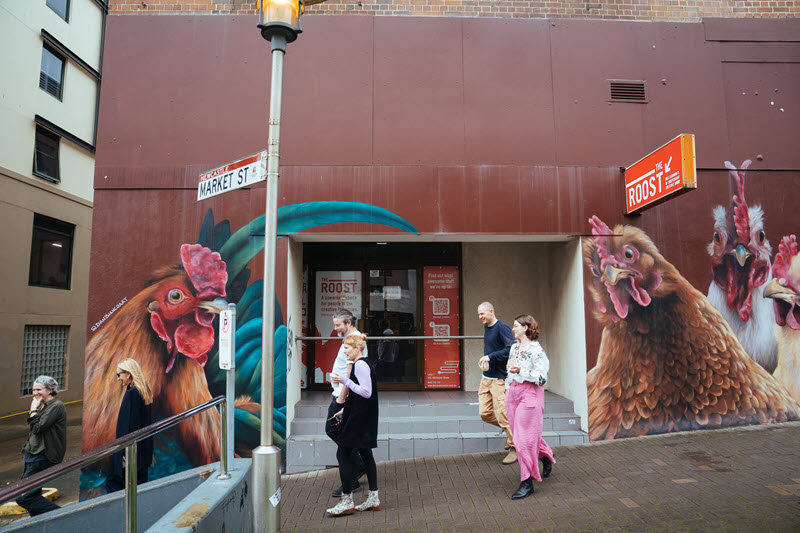
The Roost Creative
“We've been supporting Newcastle's creative community for over a decade, including offering scholarships to emerging local creatives.
“Our six-month residency builds on this, providing an emerging creative with a free workspace, access to our community of creative professionals, and opportunities to develop their work and make new connections. The idea is to give people like Amber the space, support and connections to take their projects to the next stage. Amber is a great example of the support The Roost provides.”
Amber from Pocketbook
I spoke with Amber about Pocketbook’s beginnings, finding community at The Roost, working on its next chapter alongside a network of fellow creatives, and why there’s something special about sitting in a room and listening to each other tell stories.
Tell us a little about yourself and how Pocketbook came about
I’ve always loved storytelling, whether that’s theatre, poetry, or novels. But going through the first two years of university in and out of lockdown, I didn’t feel a strong sense of community within my creative writing courses. There was a lot of anxiety around sharing our own work.
When I started looking for opportunities outside university, I came across membership costs and submission fees, which could be a barrier. I wanted to create a free, physical space where local writers could share something unpolished and receive support while they were still developing.
That became the first Pocketbook open mic at Good Brother. Around 20 people came along, and we immediately heard from first-time readers who felt comfortable sharing without the pressure of delivering a perfect performance.
How did those open mic nights grow into a magazine?
The nights kept growing, and we moved venues three times in six months to accommodate everyone.
I wanted a way to archive the work people were reading and share Newcastle voices beyond the people who could attend an event. After graduating from my arts degree, I taught myself about editing, publishing, and the practical side of running the project.
We received $1,000 through Awesome Newcastle, which helped make the first publication possible. That support was really important in getting Pocketbook off the ground.
What does Pocketbook look like today?
We publish a quarterly literary magazine featuring around 20 emerging writers and visual artists from Newcastle and the surrounding regions. We’ve sold more than 600 copies and published around 60 poets.
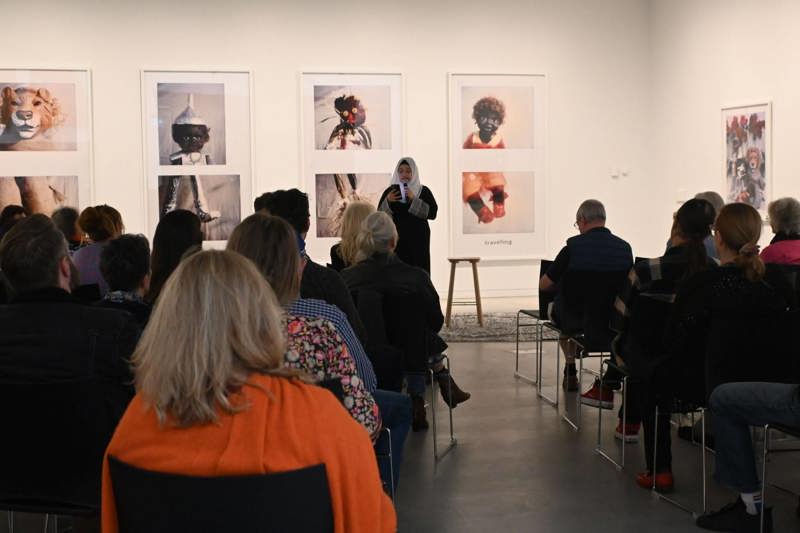
Alongside the magazine, we run free community literary events, including our monthly open mics, workshops and short story slams. We’ve also hosted an Australian Poetry Slam heat.
Pocketbook is a not-for-profit, so proceeds from magazine sales go back into printing and production to help us keep it going.
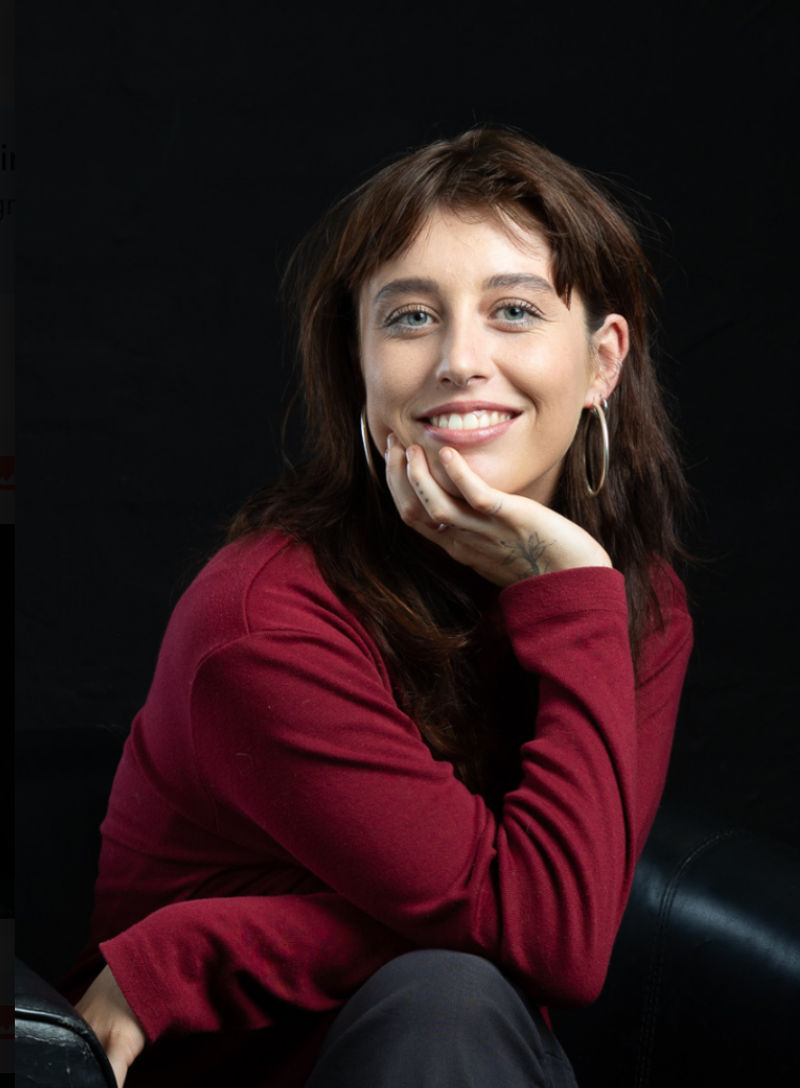
Sharing your writing can feel quite personal. How do you help people feel comfortable?
We encourage people to bring unpolished and unfinished work. It might be something they never intended anyone else to see.
Everyone gets nervous, and there’s something comforting about recognising that other people have those same fears. When someone lets their guard down, people respond to that vulnerability.
I felt there was a space that needed to be created for young, emerging writers. I helped find that, but it's incredible to see how the community has taken it and run with it.
What drew you to The Roost residency?
Having access to a creative network was a big part of it. Running a not-for-profit can involve doing so many different things yourself, and being around people with different skills and experiences is really helpful.
There are people you can ask for advice, whether that’s about graphic design, promotion or an idea you’re working through. It gives Pocketbook room to grow beyond being a one-woman project.
What has being part of The Roost community meant for Pocketbook so far?
It takes some of the pressure off. Having people around who offer support and encouragement makes a big difference, and that helps me provide more for the Pocketbook community.
Being surrounded by freelancers is inspiring because everyone is working on their own projects and understands that way of working. It’s a nurturing space, but it’s social too.
You’ve also brought poetry and visual art together through events. What does that involve?
We’ve collaborated with The Lock-Up on open mics where writers respond to the artwork in an exhibition.
It gives people a prompt and somewhere to experiment. They might write something they wouldn’t otherwise have explored, and it creates a connection between the visual artists and the poets.
Has there been a moment that really captured why you do this?
Our first book launch was a big one. It was the first major event I’d organised, and seeing it packed, with so many people coming up to thank us, was really special.
Another was seeing 12-year-old participant Blake Mackenzie progress to the state finals through our poetry slam event. Being able to help create that opportunity really reflected why we do this.
What’s next for Pocketbook?
I want to keep developing the magazine and explore ways to make it more accessible, including through audio.
I’m also interested in connecting Newcastle poets with writers in other regional and rural communities. There’s an opportunity to collaborate, bring those communities together and give writers somewhere new to share their work.
We’re planning Book Doof on 12–13 December, a weekend of camping in Wollemi National Park with music, poetry, literary workshops, reading circles, a book swap, and open mics. It’ll be a celebration of the year.
We’re also looking forward to being involved in Newcastle Writers Festival next year, with opportunities for emerging writers to participate.
How can people get involved or support Pocketbook?
Come along to an event, buy a magazine or submit your work. We usually put out a seasonal submission call about a month before publication.
The magazine is stocked at The Press, Newcastle Art Gallery, Cooks Hill Books and The Lock-Up, and it’s available online. Buying directly from Pocketbook means there’s no stockist commission, so more goes back into producing the next issue.
We’re also always interested in hearing from volunteers who’d like to help with editing, publishing or graphic design.


